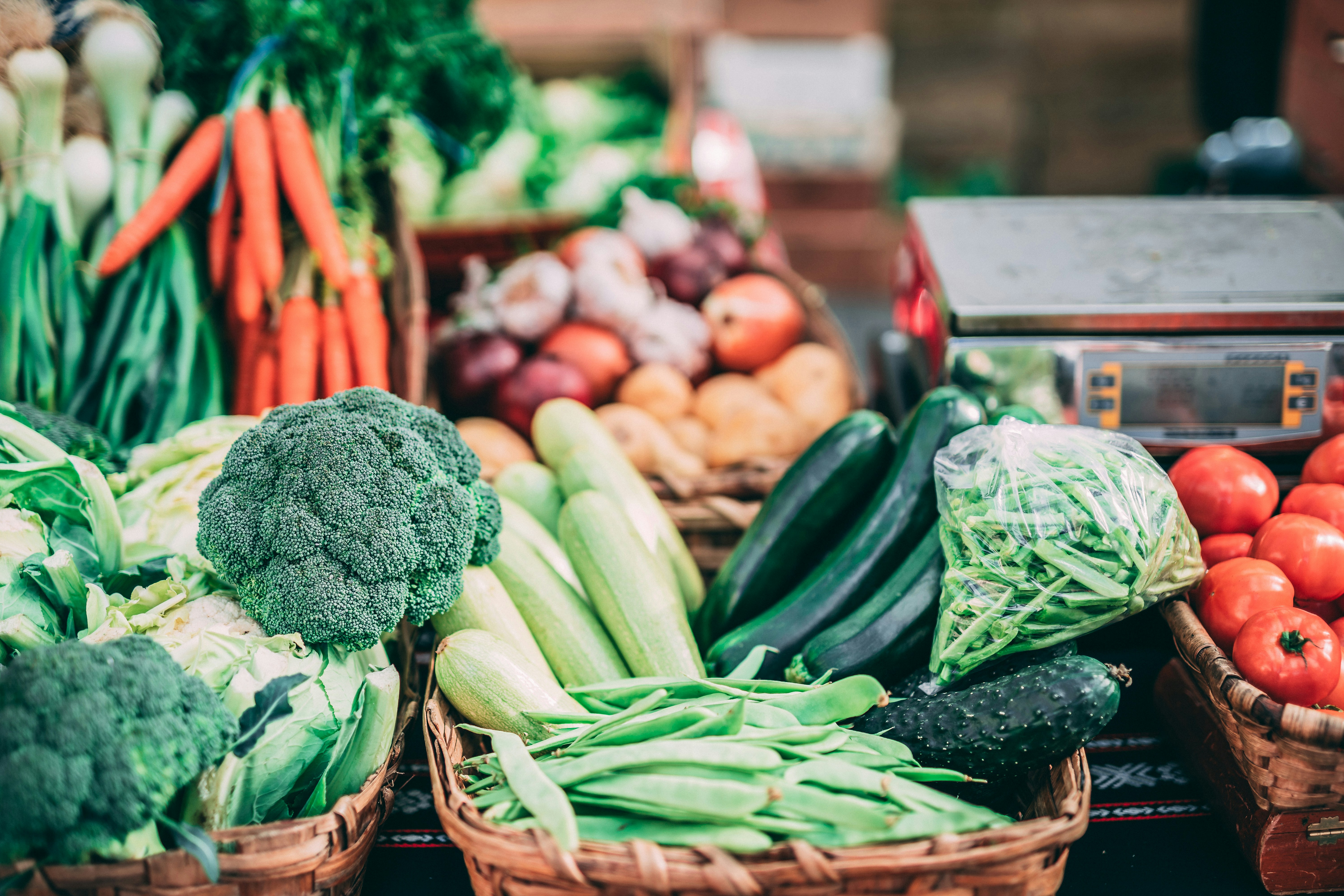
With the amount of waste coming from households reaching all time highs, many people are trying their hardest to find ways to combat their food waste levels.
It can be hard to know exactly what the best route to take is when starting out reducing your waste.
But have no fear, New Food News is here with a one stop guide to using every part of a fruit or vegetable, and ultimately reduce cost and food waste, all at the same time.
It’s not too hard:
Harder parts of a vegetable such as stalks may seem like they’re not fit for consumption, and often end up in the bin. But the truth is, they are actually pretty easy to work with.
Consider chopping up the stalk of vegetables like broccoli or cauliflower and adding them to the dish you’re creating. As long as they are boiled first, they’ll wind up having the same texture as the rest of the veg.
This way, you’ll get more for your money, AND you’ll reduce how much you waste.
Leaves are your friend:
You may feel inclined to throw away the leaves when preparing vegetables such as carrots, celery, or even lettuce if the leaves look a bit limp.
However, you can actually make great use of leaves, in a lot of different ways.
Lettuce leaves can be cooked up in the same way as spinach or kale and added to a number of dishes. For example, a chinese style stir-fry or even a soup.
Add things like turnip greens to a stock for added flavour and depth.
As for carrots and the likes, try using the leaves as herbs in one of your dishes, or finely chop them and sprinkle over as a garnish at the end.
You could even keep leaves from lots of veggies and grind them up to make pesto. The possibilities are endless.
Potato Potahto:
What if we told you there is no need to peel your potatoes? Would you believe it?
Well, it’s true!
As long as potatoes are scrubbed thoroughly and rinsed well, potatoes can be cooked with their skin on, and often they’re even tastier than they are when peeled.
If you’re not necessarily a peel-on lover, fear not.
Try keeping the peels and frying or roasting them to create crisps or potato skins to have with a dip. Or, chop up into smaller pieces, fry and sprinkle atop a salad.
Stock up:
It may surprise people to know, but almost anything can be used to make a stock. In fact, usually the more you add the tastier it is.
So, instead of throwing away your onion peels, carrot ends and corn cobs, keep them until you have a box full, and make a beautifully flavoured stock which can then be frozen and used at a later date.
Stock can be frozen for up to four months, so there is no rush to use it up. But once you eventually do, your soups and sauces will taste to die for, and you’ll wonder why you didn’t use this method sooner.
Jammy git:
If you’re a fan of a jam or chutney, consider making your own.
Keep your fruit peels and stems whenever you find yourself with some left over, and once you have enough, get out the jam pan.
Everyone knows homemade is always better, so keep your apple, citrus and even mango peels and try your hand at jam making.
Shake it up:
If jam isn’t your style, you can always keep citrus peels to use as a garnish, and try your hand at cocktail making instead.
Shake yourself up a margarita, mojito, or a traditional old fashioned. Add the garnish, and your cocktails will rival that of your favourite bar.
Waste not, want not.
Pick a peck of pickled peppers:
Many people don’t realise how many vegetables can be pickled.
From cucumbers and onions, to beetroot and peppers, even eggs, it seems anything can be pickled these days.
If you’re a fan of pickled things, give homemade pickling a go. But make sure you do your research first so you’re doing it safely. Reducing waste is not worth the cost of your health!
If in doubt, shove it in a heap:
At some point you do have to accept that some things just cannot be kept or used in a way that suits you, your family and your lifestyle.
But that doesn’t mean it has to go to landfill.
Compost bins are becoming more widely accessible and affordable, and are a great way of getting rid of your waste without contributing to landfill.
So, if none of the above methods work for you, don’t be disheartened, just chuck it on the compost heap!
Chloe Rose
New Food News
Leave a Reply