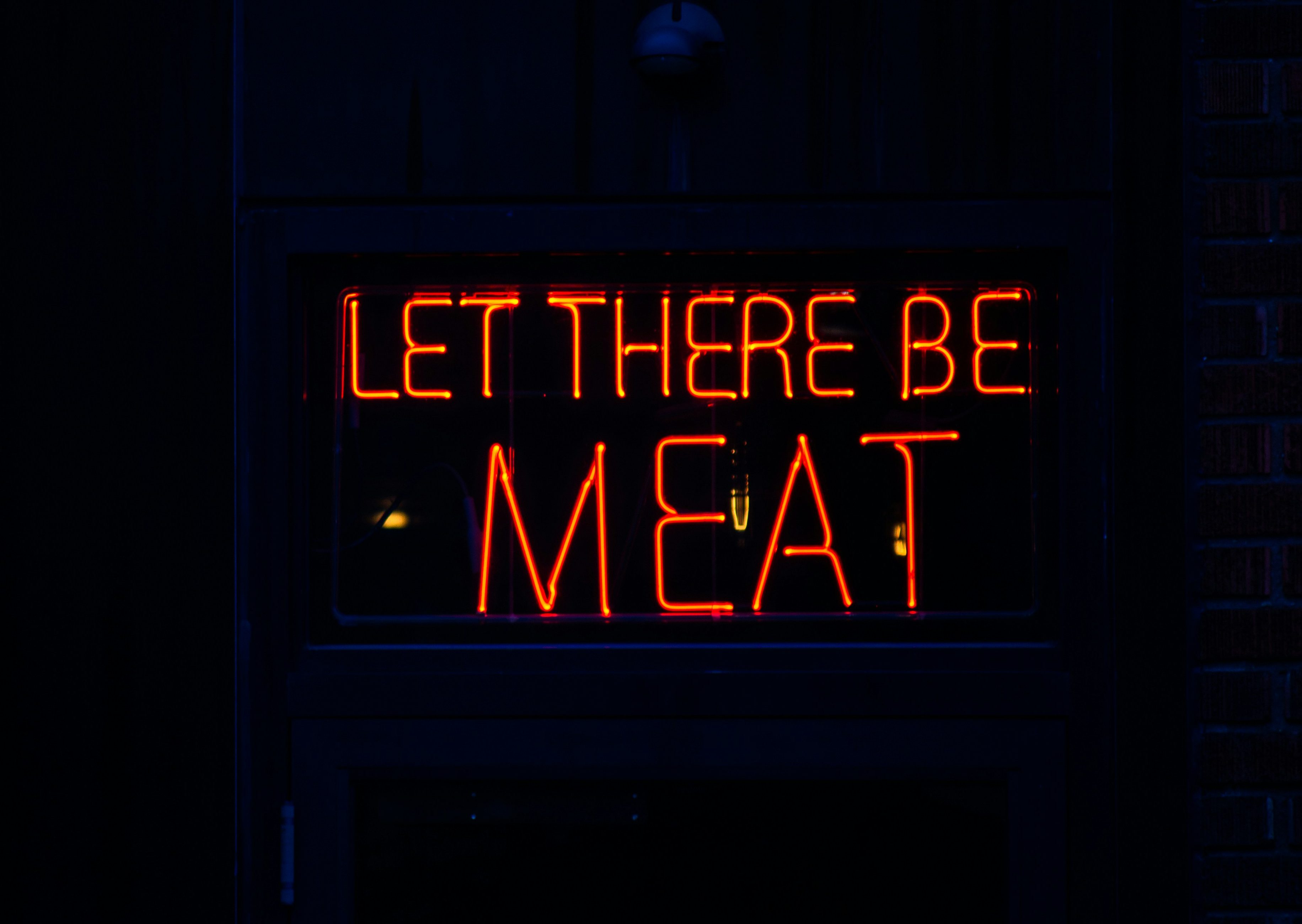
In the wake of the COP26 conference, it is no surprise that we find ourselves inundated with the latest plans to save the planet.
For years now, it has been no secret that consuming less meat and dairy products has the potential to slow the warming of the planet.
But with such solutions merely just suggestions, questions are now arising as to whether greater action needs to take place.
Enter: the potential for restrictions on meat eating in the UK.
Whilst many meat eaters are aware of the effects on animal welfare, it is likely that fewer are familiar with the devastating effects their diet has on the climate.
Recent figures show that consuming just one or two hamburgers per week over one year emits the same amount of greenhouse gases as heating a home for 95 days would create.
These figures are, of course, astounding when applied to the mass number of people who consume animal products on a regular basis.
Years of research prove that a decrease of just 20% in meat consumption by 2030 would make a large difference to the climate. But ensuring we reach such a goal proves significantly more difficult.
The introduction of quotas to limit meat eating, in theory, would definitely make a difference.
However, a lack of political support and encouragement for this to take place, in addition to limited practicality on enforcing such quotas keep the idea at just that: a theory.
In an attempt to make a real difference, the UK Climate Change Committee believe that encouragement of behavioural changes would be easier to enforce than compulsory quotas.
Furthermore, it is thought that higher taxes on meat and other animal products would likely boost the consumption of plant based items, without boosting the climate.
These taxes, like most, will likely receive backlash. It is becoming increasingly clear that unless something drastic is done, life as we know it has few future prospects.
Chloe Rose
New Food News
Leave a Reply